
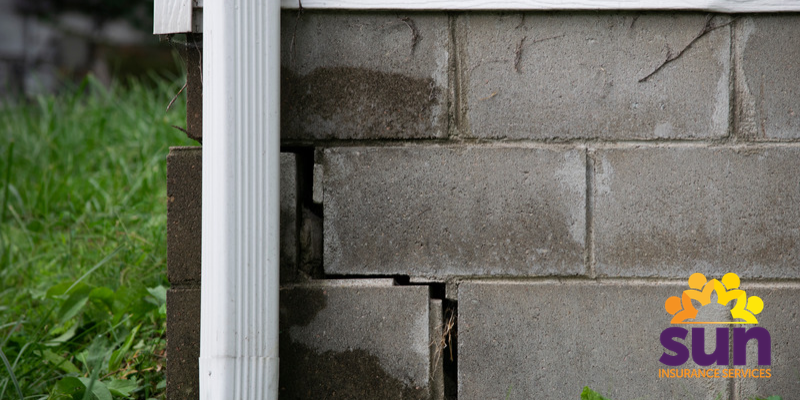
Does flood insurance cover water under a Florida foundation?
Water under a foundation is not automatically a covered flood loss. Flood insurance may cover direct physical damage caused by a flood as the policy defines it. Groundwater seepage, drainage problems, and foundation movement can be excluded. Standing water disappearing near your home does not, by itself, prove that water entered beneath the slab or caused insured damage.
If you notice new moisture or damage, document it, arrange an assessment, and report suspected flood damage promptly to your insurer or agent.
What does disappearing standing water tell you?
A disappearing puddle shows that water has drained or soaked away; it does not establish where the water went. Avoid diagnosing a foundation leak, underground void, or structural problem from that observation alone.
Photograph the location and note whether water was also present in the street or on nearby properties. New damp flooring, staining, persistent musty odors, or visible cracks warrant an assessment, but these signs alone do not establish the cause or insurance coverage.
How can you check for moisture or foundation damage?
A qualified inspector or water-damage contractor can assess accessible building materials for moisture. Suspected structural movement calls for evaluation by a licensed engineer.
- Slab homes: Ask for an inspection of affected flooring, walls, and accessible areas, with written findings about observed moisture and possible sources.
- Crawl-space homes: Have accessible areas checked when entry is safe. Do not enter flooded or potentially unsafe spaces yourself.
- New cracking or movement: Request an engineering assessment rather than assuming that flooding caused the damage.
The EPA’s flood cleanup guidance explains how moisture meters help assess whether building materials are dry. A moisture reading is not, by itself, proof of standing water beneath a slab or the cause of a loss.
How do flood, seepage, and earth movement differ?
The cause of damage matters more than whether water entered from above or below. Standard homeowners insurance generally excludes flood damage; flood insurance also has its own definition, exclusions, deductibles, and coverage limits.
Flooding under the NFIP definition
The National Flood Insurance Program’s flood definition generally requires temporary inundation of at least two acres of normally dry land or at least two properties, including yours, from specified causes such as overflowing waters or unusual, rapid surface runoff. The definition also addresses mudflow and certain shoreline collapse. A puddle confined to one yard does not automatically qualify.
Groundwater and seepage
Seepage alone does not establish NFIP coverage. Water that seeps through insured property is generally excluded unless a flood in the area is the proximate cause, meaning the cause responsible for the loss. FEMA’s groundwater-seepage decision illustrates why evidence of a qualifying flood matters.
Foundation movement
NFIP policies exclude damage caused directly by earth movement, even when flooding triggers that movement, subject to specific exceptions in the policy. Settlement from saturated soil is different from direct flood damage. FEMA’s foundation-damage decision explains this distinction.
Private flood policies may differ. Crawl spaces and enclosed areas below elevated floors can also have coverage restrictions. Review the actual policy, not just the declarations page, before assuming a repair is insured.
For help reviewing your Florida flood insurance options, contact Kim Osburn: call 407-781-1620 or text 407-781-1620.
What should you do after suspected flood damage?
Document damage and notify your insurer or agent promptly. Do not delay necessary, safe steps to limit further damage while waiting for a coverage decision.
- Record conditions: Photograph affected rooms, water marks, the yard, and surrounding flooding from a safe location. Note dates and times.
- Report suspected damage: Describe what you observed without assuming a cause. Ask about inspections, documentation, and applicable claim deadlines.
- Keep evidence: Save inspection reports, repair estimates, cleanup receipts, and insurer correspondence.
- Arrange safe drying: The EPA recommends drying flooded homes and belongings as quickly as possible, ideally within 24 to 48 hours. Use qualified help when conditions are unsafe.
See the EPA’s flooded-home cleanup guidance for safety and drying steps. The Florida Department of Financial Services flood FAQs explain NFIP claim reporting and common coverage limitations.
Florida foundation water FAQs
Can a dry-looking floor still contain moisture?
Yes. Building materials can remain wet even when their surfaces look dry. Moisture testing can help assess drying progress, but it does not independently determine the water source or insurance coverage.
Does every flood-related foundation crack qualify for coverage?
No. The insurer must evaluate the cause of the damage and the applicable policy. Direct flood damage and damage from soil settlement can receive different treatment, even when both follow the same storm.
Should I wait for visible damage before asking for help?
No. You can ask your agent about coverage and documentation when you first notice a concern. If you suspect flood damage, report it promptly and describe the facts. Do not assume that contacting an insurer is separate from its claim-reporting process.
Review your flood coverage before the next renewal
Sun Insurance Services helps Florida homeowners review flood insurance options. Bring your current policies and any inspection findings so the coverage discussion addresses your property’s construction and water concerns.
Contact Kim Osburn, call 407-781-1620, or text 407-781-1620 to review flood coverage before renewal.
Last updated: November 18, 2026.
Usually takes about 2 minutes